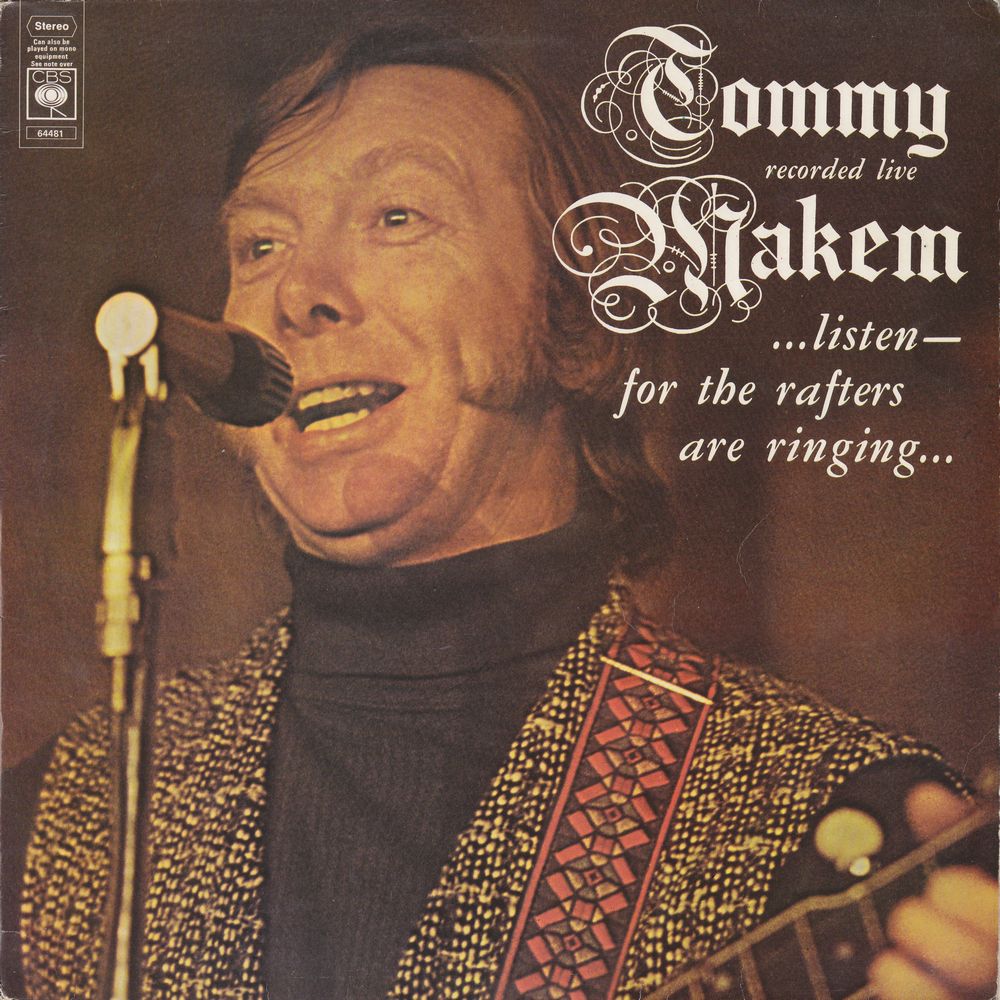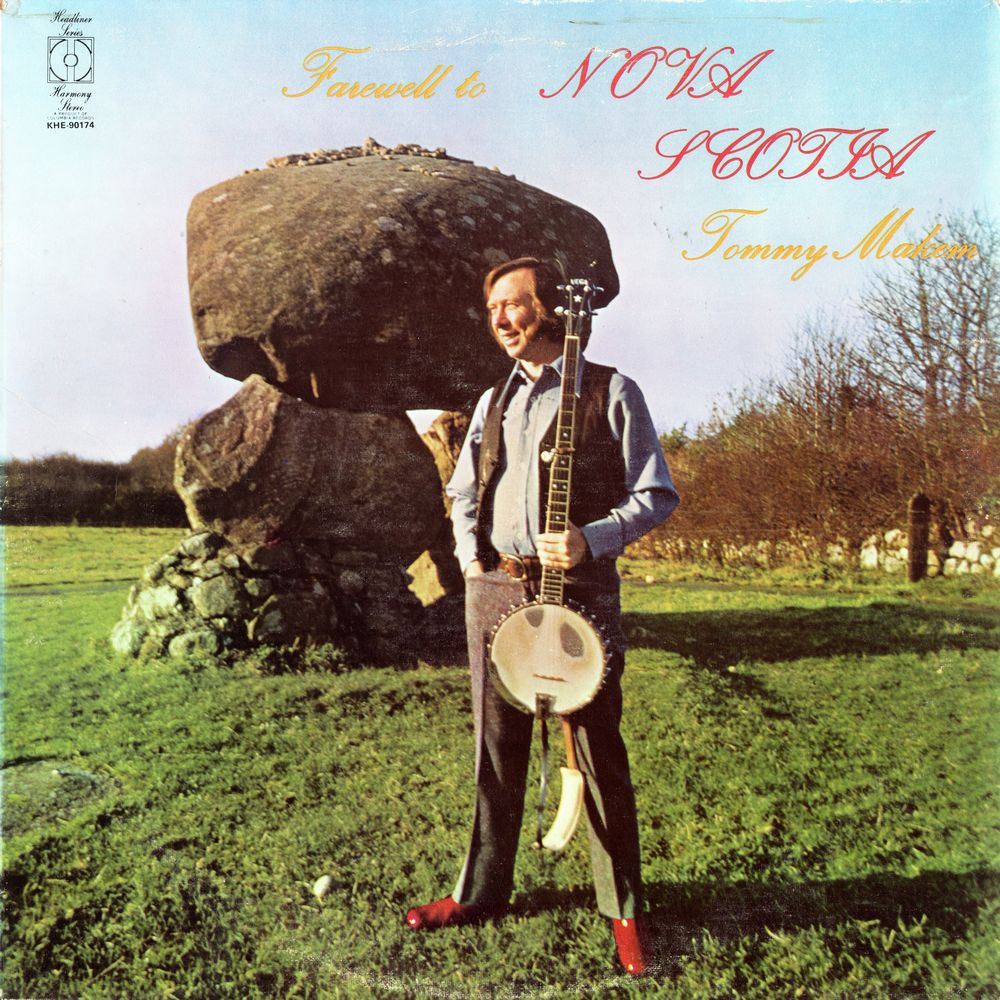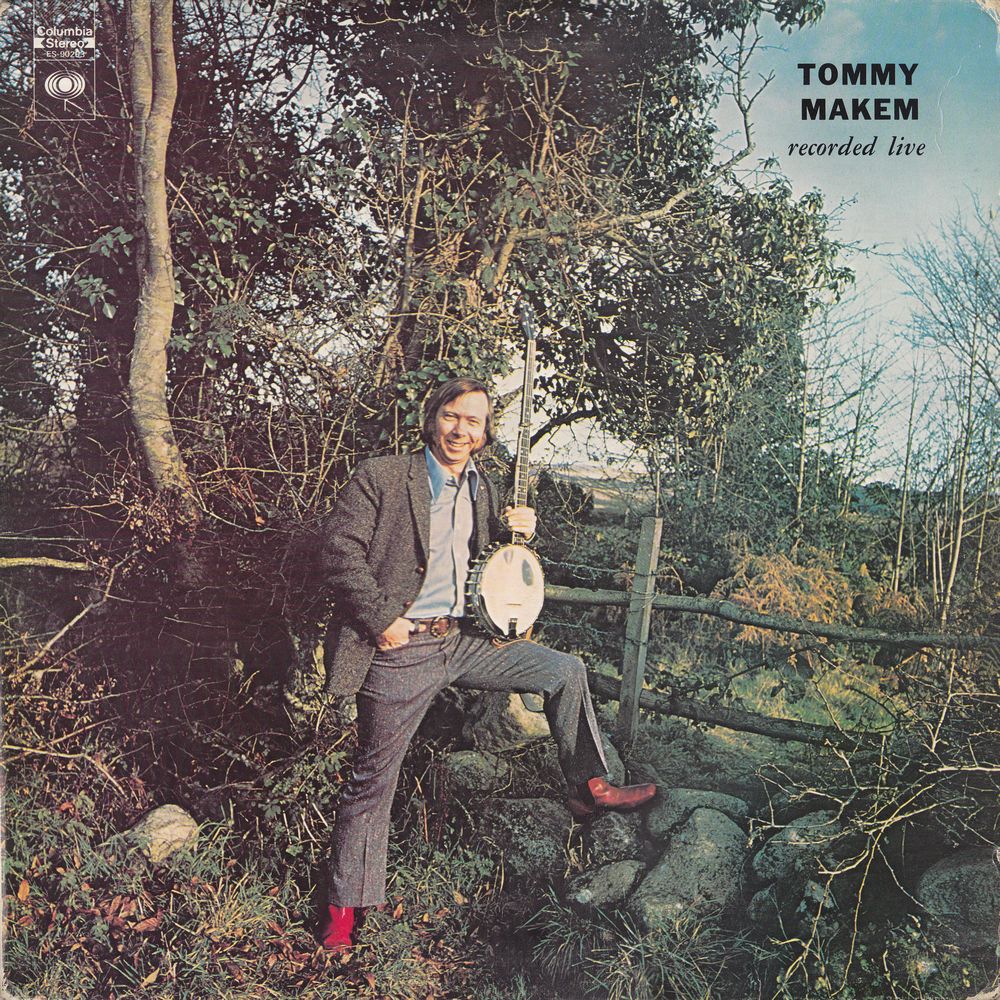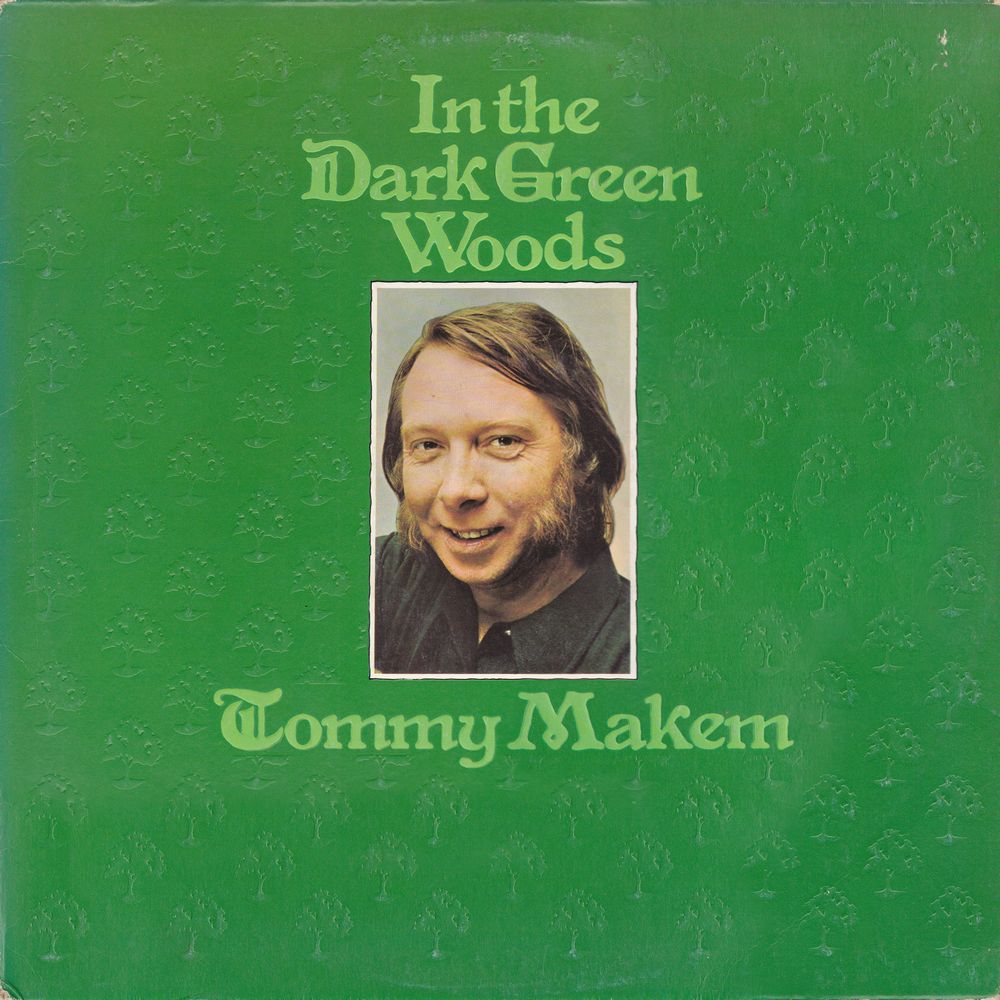
In Tribute …

The Guardian

Tommy Makem: Folk singer who helped to restore Ireland's pride in its traditional music

Derek Schofield
Thursday 2 August 2007

image

At the Newport Folk Festival in 1961, two singers were judged as the most promising newcomers on the American folk scene: Joan Baez and a singer from Ireland, Tommy Makem, who has died from lung cancer, aged 74.

Makem was already performing with the Clancy Brothers by 1961, and that year they reached a national audience in the US with a television appearance on the Ed Sullivan Show. Despite their cumbersome stage name, the Clancy Brothers and Tommy Makem reclaimed Irish folk song from stage-Irish performers and refined concert singers, such as the tenor John McCormack.

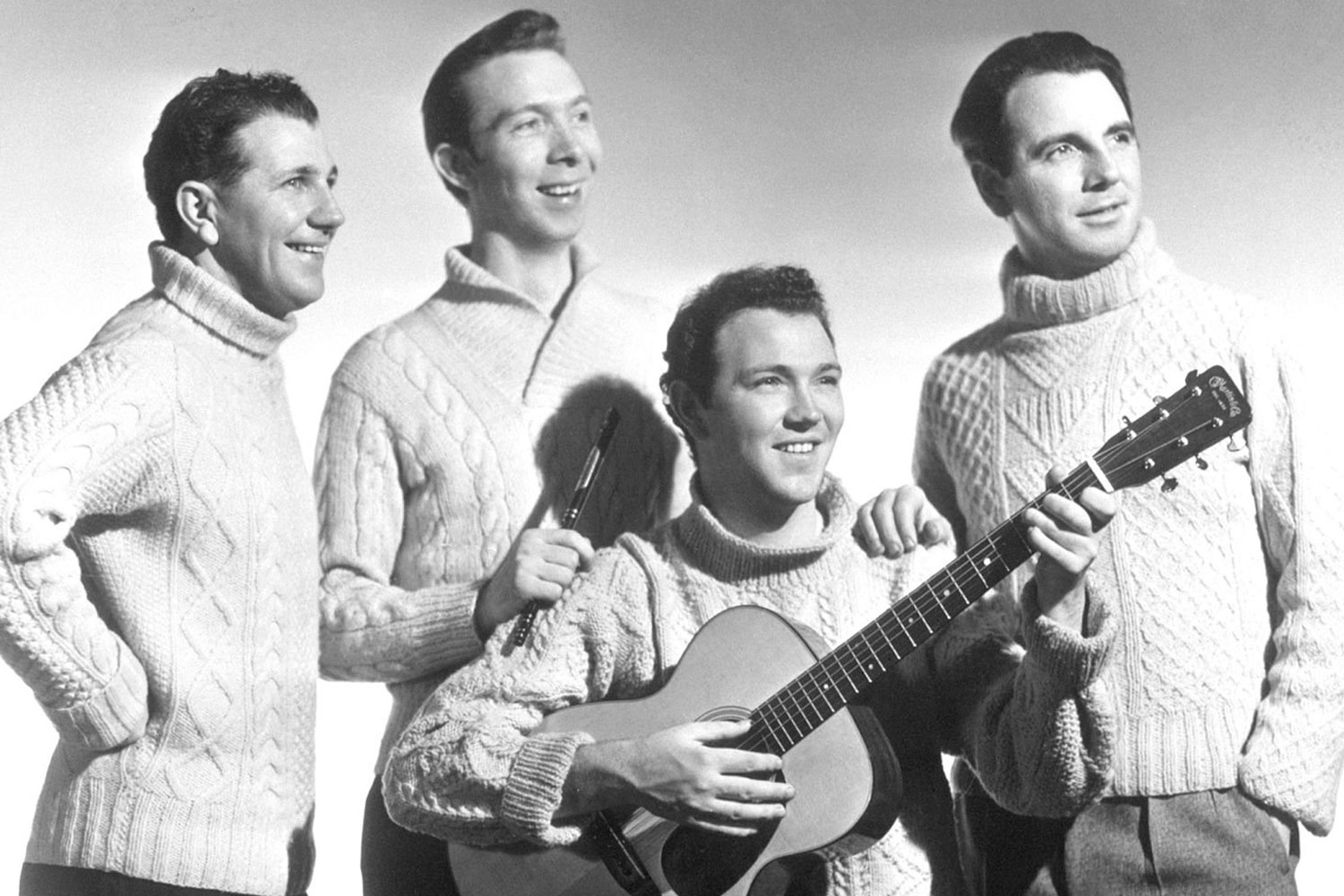
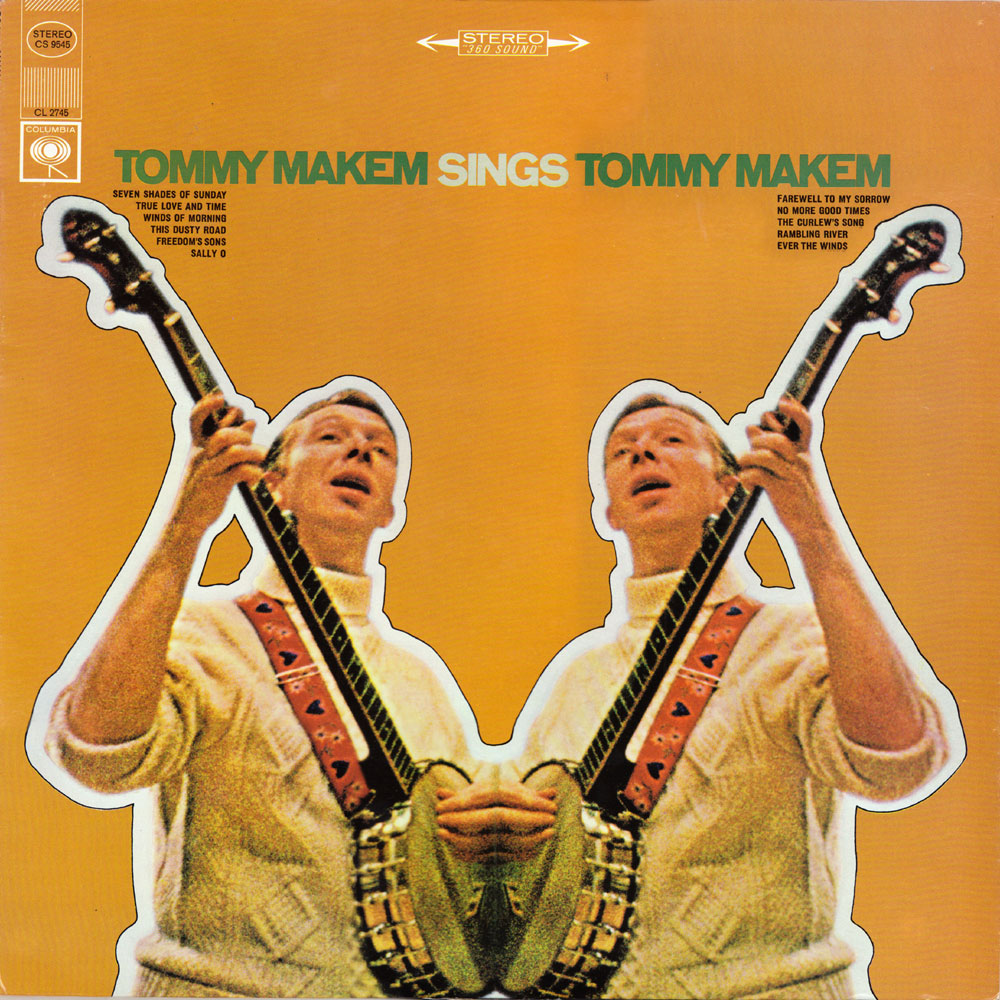
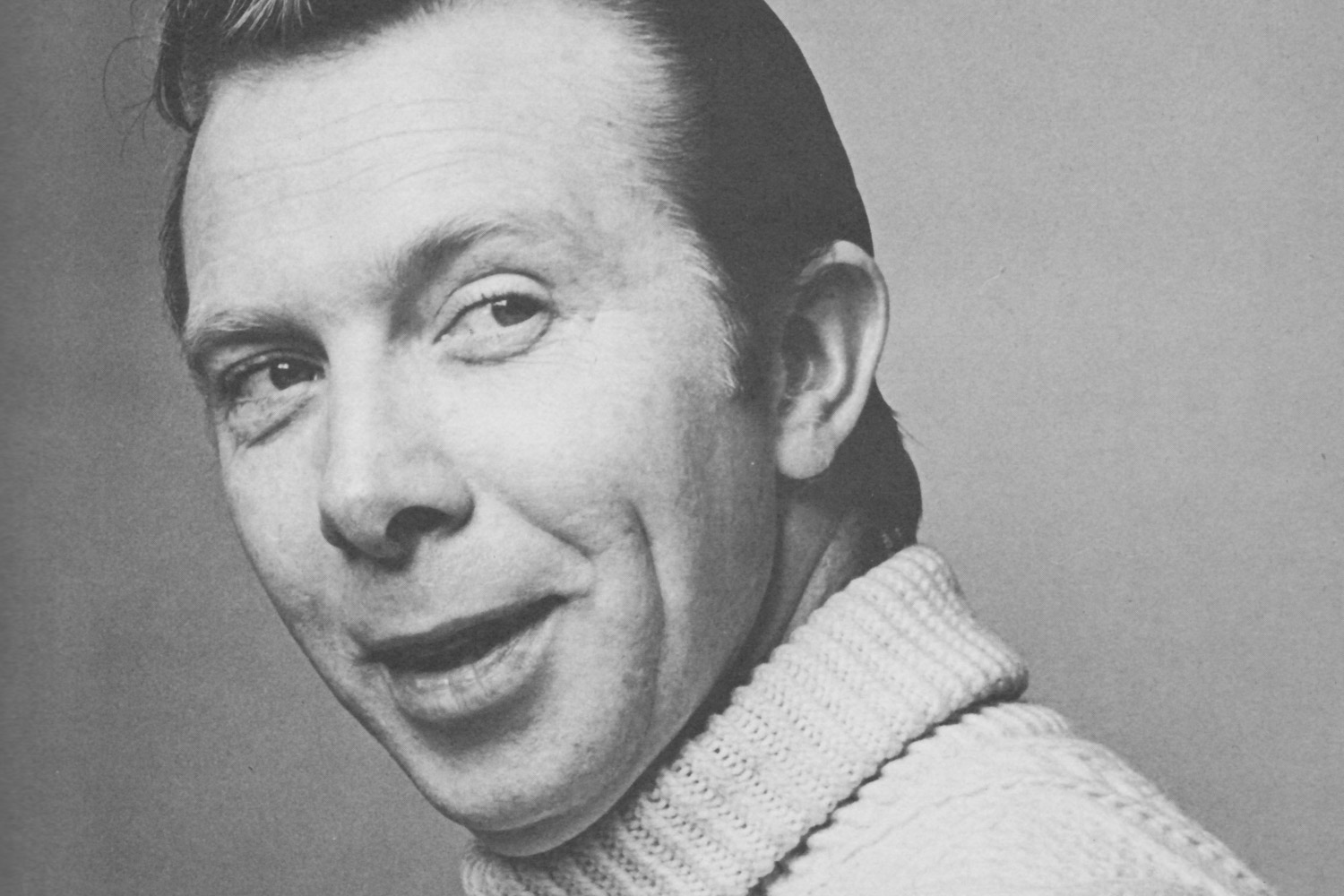
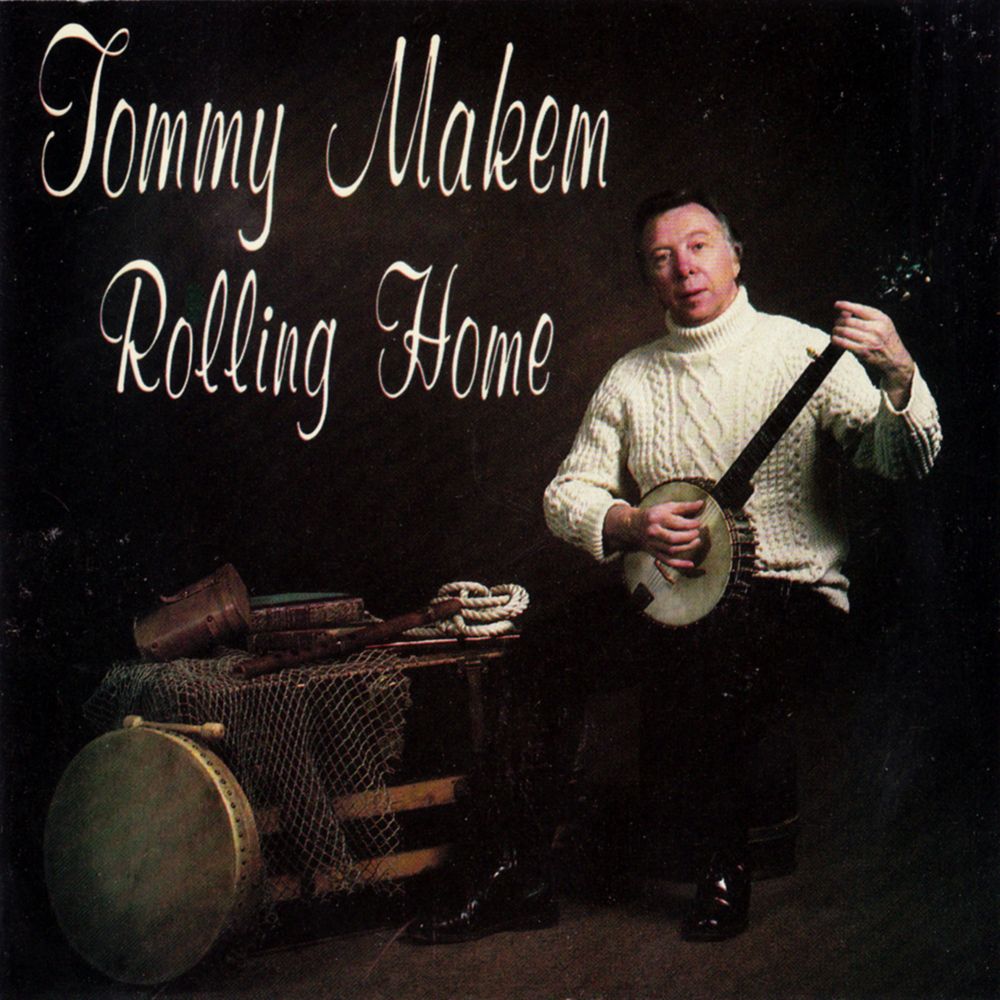
Their more natural way of singing and their popular appeal on the US folk scene, then among Irish-Americans, and finally with audiences back in Ireland, were combined with a polished and professional stage presence. Their distinctive Aran sweaters established the stereotypical appearance of a folk singer - an image that is still referred to by the media over 40 years later.

Makem was born and raised in Keady, County Armagh, in Northern Ireland. His mother, Sarah Makem, was herself a traditional singer who had been recorded by the BBC in the early 1950s. Her version of As I Roved Out became the signature tune for the BBC radio programme of the same name.

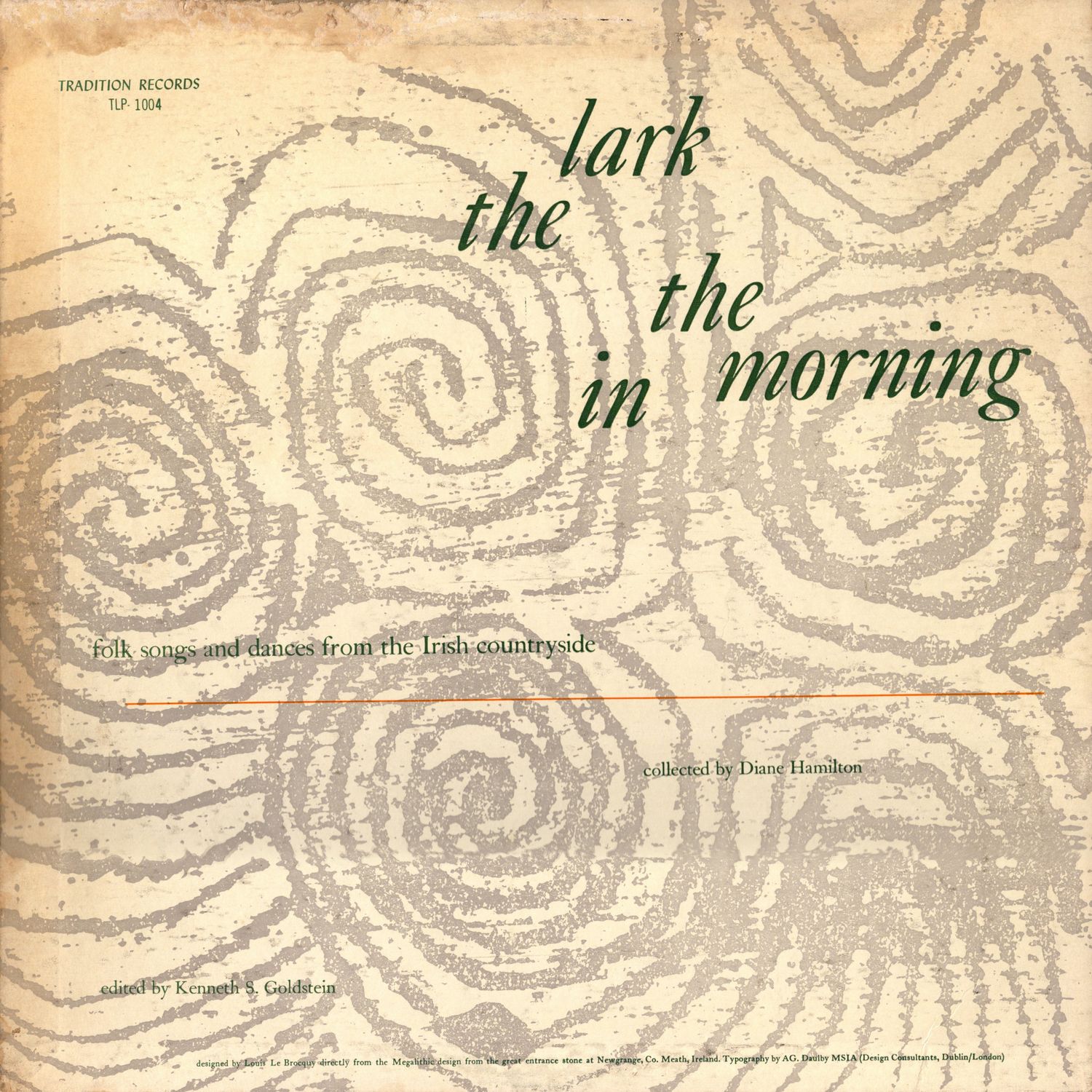
The American folksong collector Diane Guggenheim Hamilton, accompanied by Liam Clancy from County Tipperary, visited Sarah Makem. Tommy and Liam, scarcely out of their teens, struck up an instant friendship. They were interested in singing and the theatre, and in 1955 they emigrated to the US, joining Liam's brothers, Tom and Pat, who had moved to Toronto, then Ohio and finally to New York in the late 1940s.

Tommy worked first in Dover, New Hampshire, but an industrial injury to his hand left him jobless, so he moved to New York to join the Clancy brothers. Their first venture together was an album of Irish republican songs, The Rising of the Moon (1956), on the New Tradition record label, set up with Guggenheim money and folklorist Kenneth Goldstein's expertise.

Tom and Pat Clancy were both establishing reputations as actors, but the success of the album led to requests for the four to sing, and this paid better than acting. They had already made an impact on the folk scene in Greenwich Village, when they appeared at a benefit concert for Woody Guthrie. They practised their songs and stagecraft at their regular haunt, the White Horse Tavern, where Dylan Thomas had taken his last drink. Makem moved to New York permanently in 1958, by which time his hand injury had healed and he could play the tin whistle and bagpipes. Inspired by Pete Seeger, he soon added the five-string banjo.

A second album, Come Fill Your Glass With Us, featured Irish drinking songs, and the group soon realised at concerts in Boston and Chicago that the party atmosphere of the tavern worked better than a formal presentation. Their audiences grew in numbers and enthusiasm.

The Clancys' mother, who had heard about the harsh American winters, sent four handknitted Aran sweaters; their manager, Marty Erlichman, instantly recognised these as a potential trademark.

An appearance at New York's biggest nightclub, the Blue Angel, led to the Ed Sullivan Show, where they performed five, rather than two, songs because the main guests pulled out. A contract with Columbia Records followed, and soon they were appearing in concert at Carnegie Hall and singing at the White House for President John F Kennedy.

The group united the usually unaccompanied Irish folksong tradition with the instrumentation of the American folk revival, inspired by the Weavers. Their records found their way back to Ireland, and their vigorous singing style helped to restore a national pride in the old music. Their influence on younger singers, including the Dubliners, Christy Moore and, later, the Pogues, was crucial. They had a sellout tour of Ireland in 1962, and tours of Britain, Australia and Canada followed.

The songs were sung with gusto and paced faster than was standard in traditional performance. The Irish Rover, Brennan on the Moor, I'll Tell Me Ma, The Jug of Punch and The Mountain Dew were among the songs they popularised, while Makem's version of The Cobbler (complete with actions) was always requested.

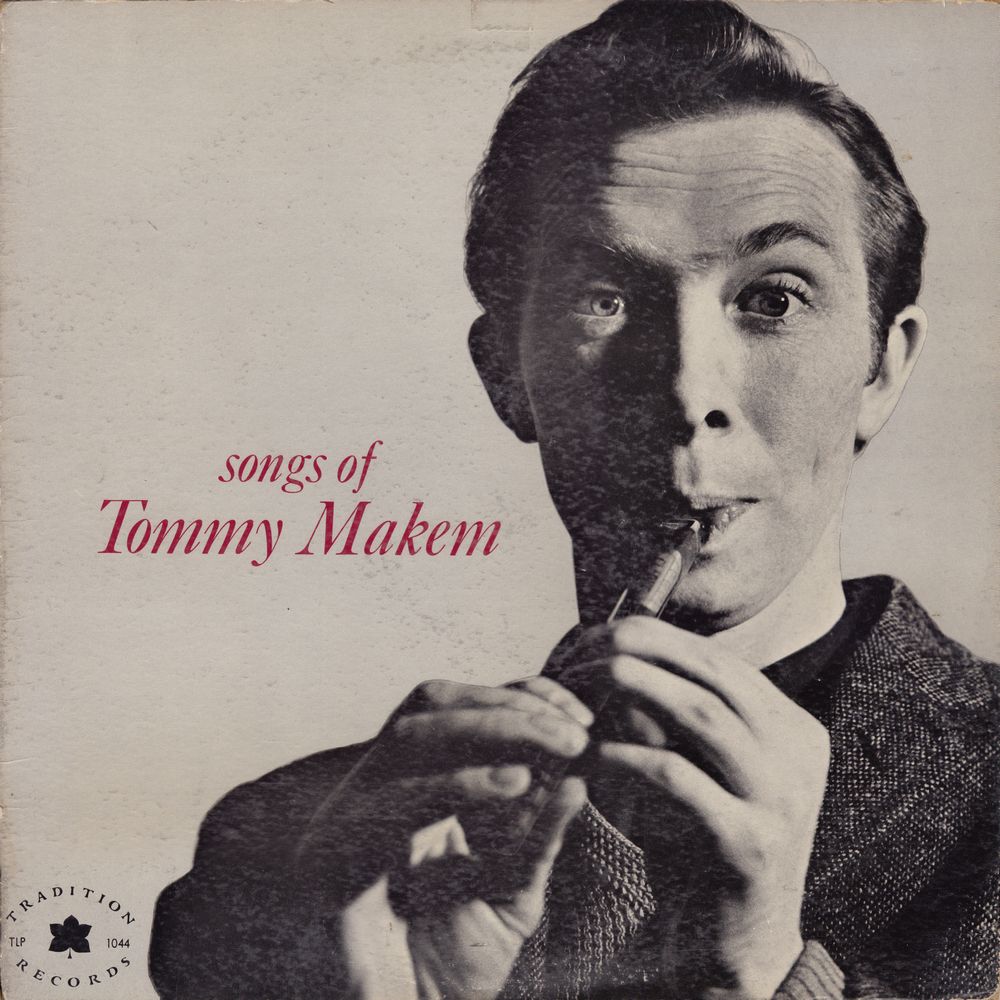
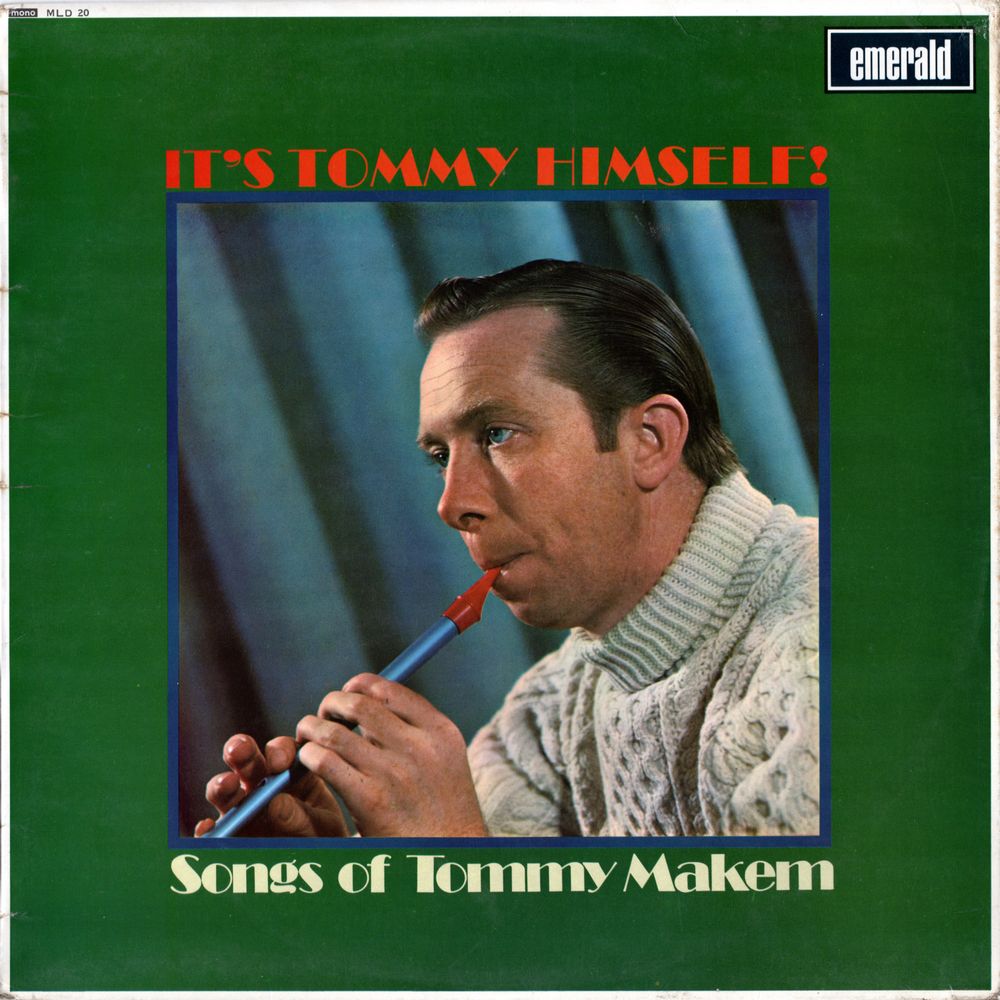
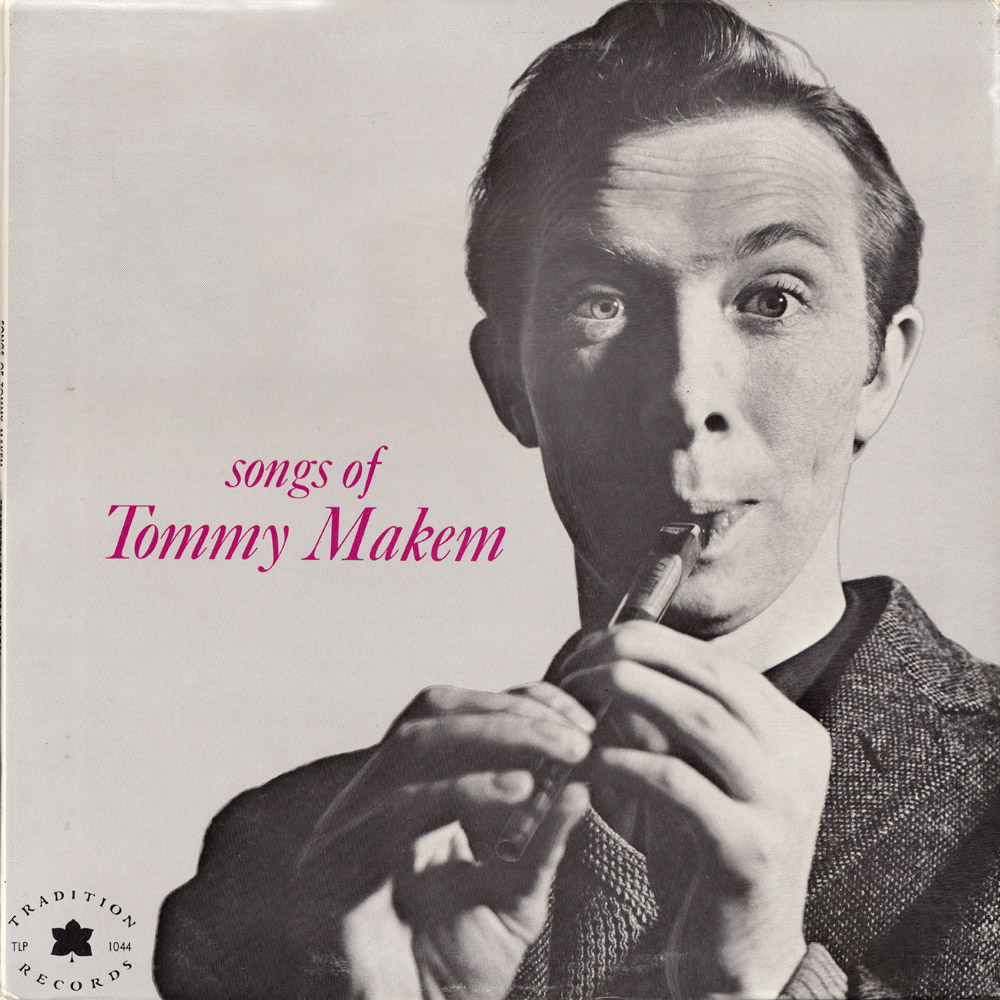
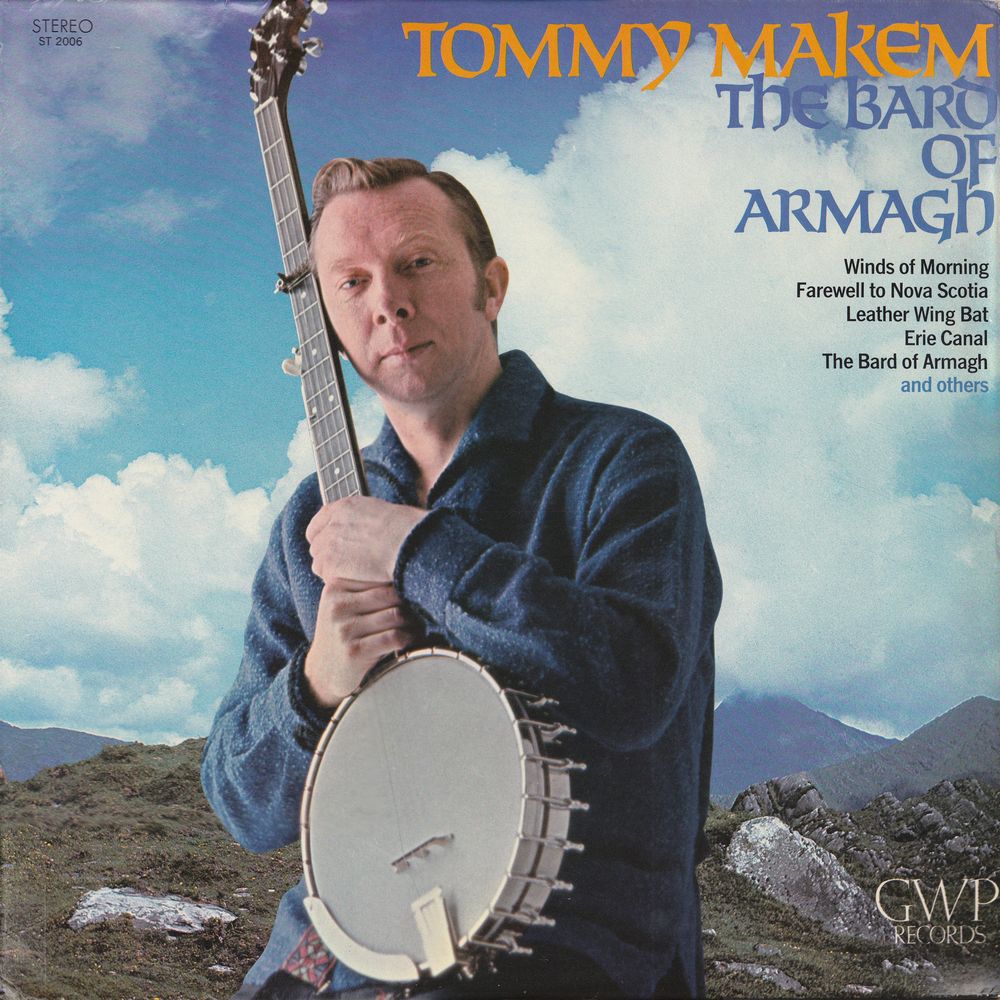
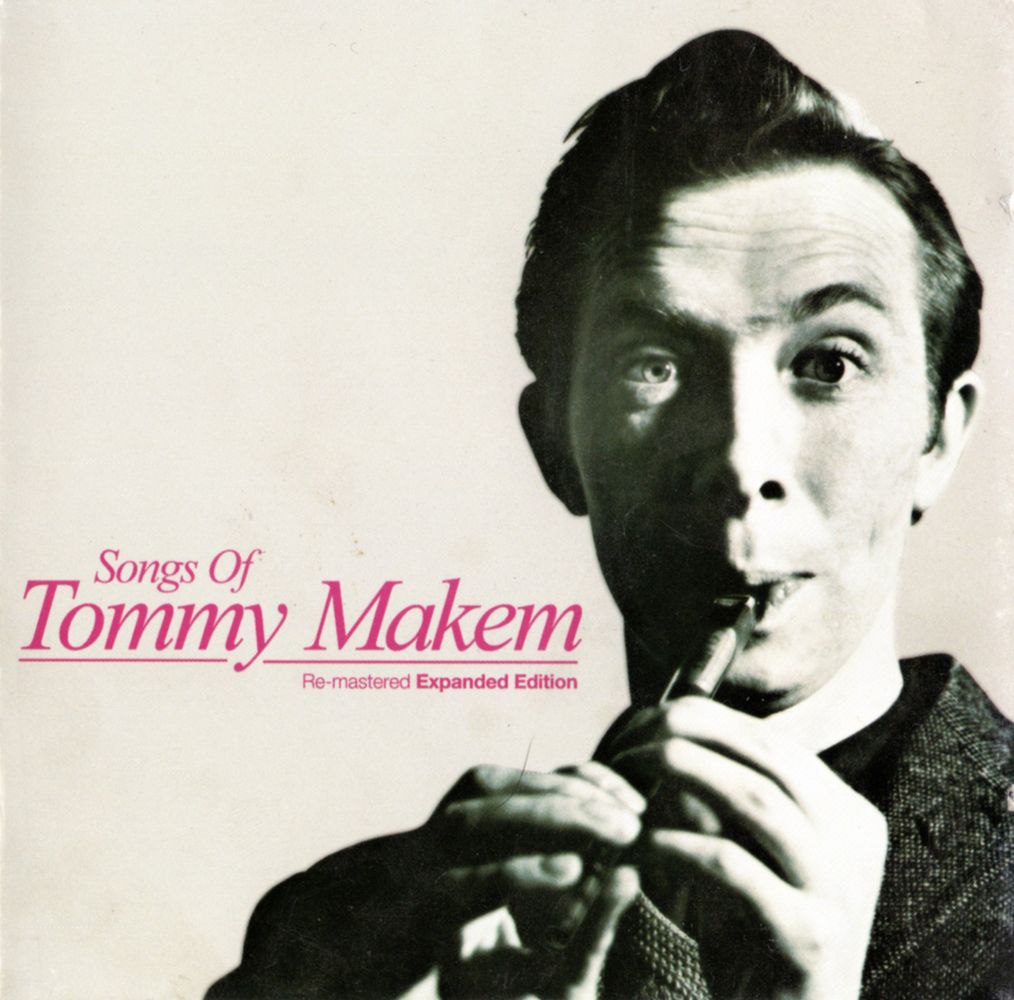
In 1969, Makem left the group to pursue a solo career; he was replaced first by Bobby Clancy and then by the English singer Louis Killen. Makem had recorded a solo album as early as 1961, Songs of Tommy Makem, and as a solo artist he developed his songwriting skills to add new works, such as The Little Beggarman, besides the traditional songs he sang.

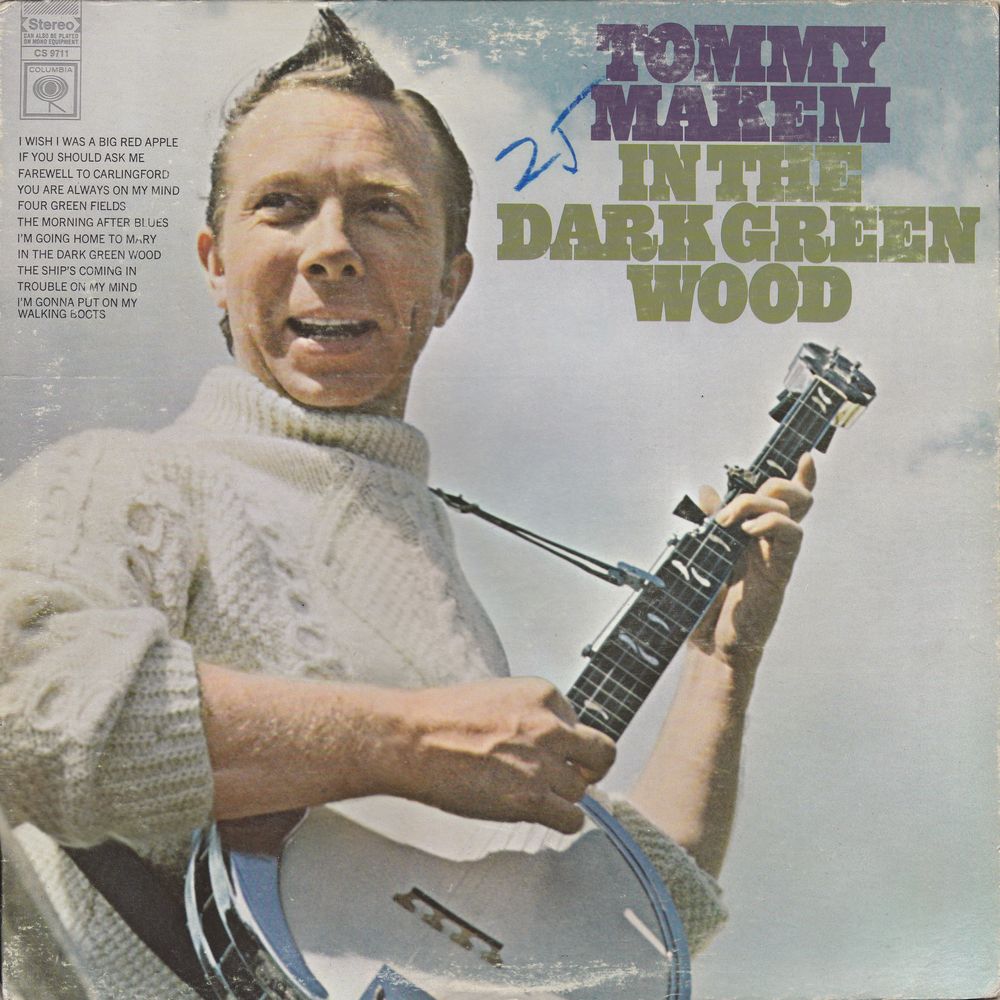
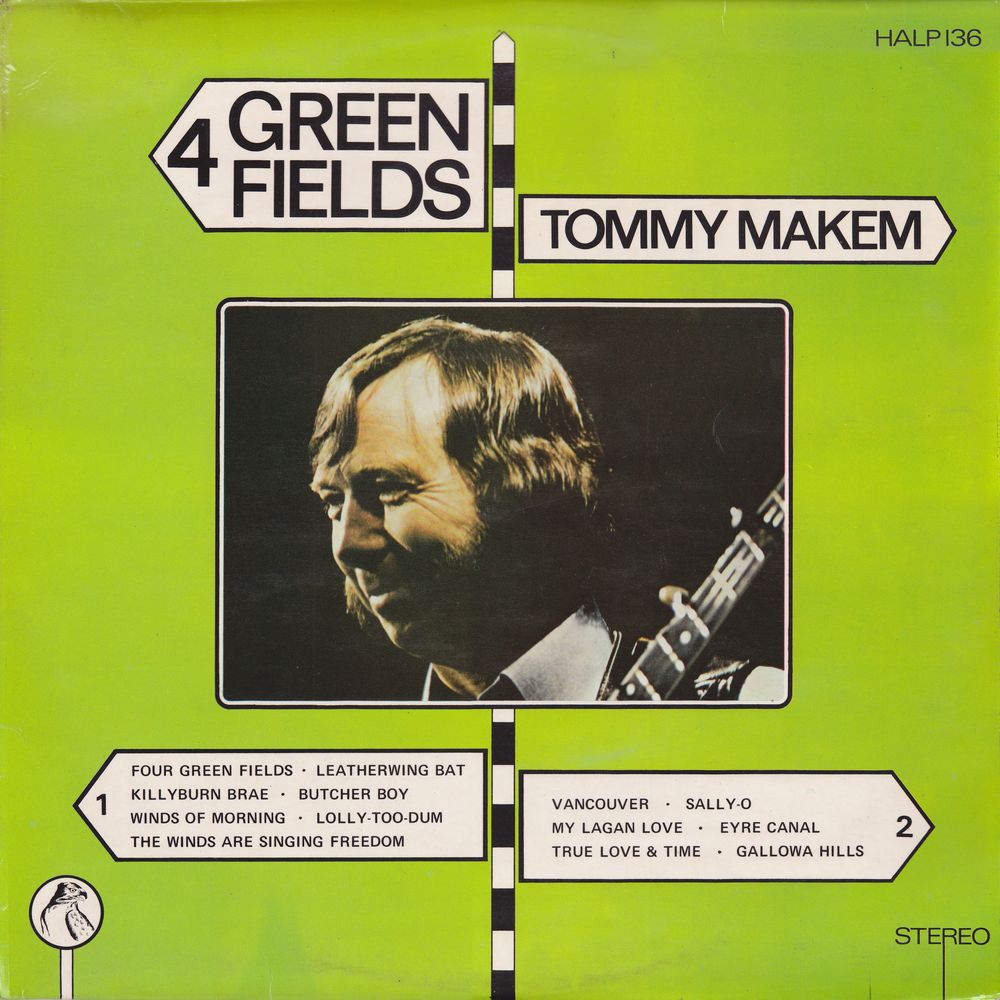
His best-known composition was Four Green Fields, an allegory of Ireland's history at the hands of the English. Other songs included Gentle Annie, and The Winds Are Singing Freedom. His concerts were always sold out, even at Madison Square Garden in New York and the Sydney Opera House, and he performed on television shows in the US, Britain, Ireland and Canada.

Liam Clancy left the family firm in 1973 and welcomed Makem as a guest on his television show in the US. A joint concert at the 1975 Cleveland Irish Festival was such a success that they formed a permanent duo, Makem and Clancy. Their debut album included their best-known song, Eric Bogle's anti-war anthem, And the Band Played Waltzing Matilda. Further recordings, some of which earned platinum and gold discs, included a double album recorded live in Dublin's Gaiety Theatre.

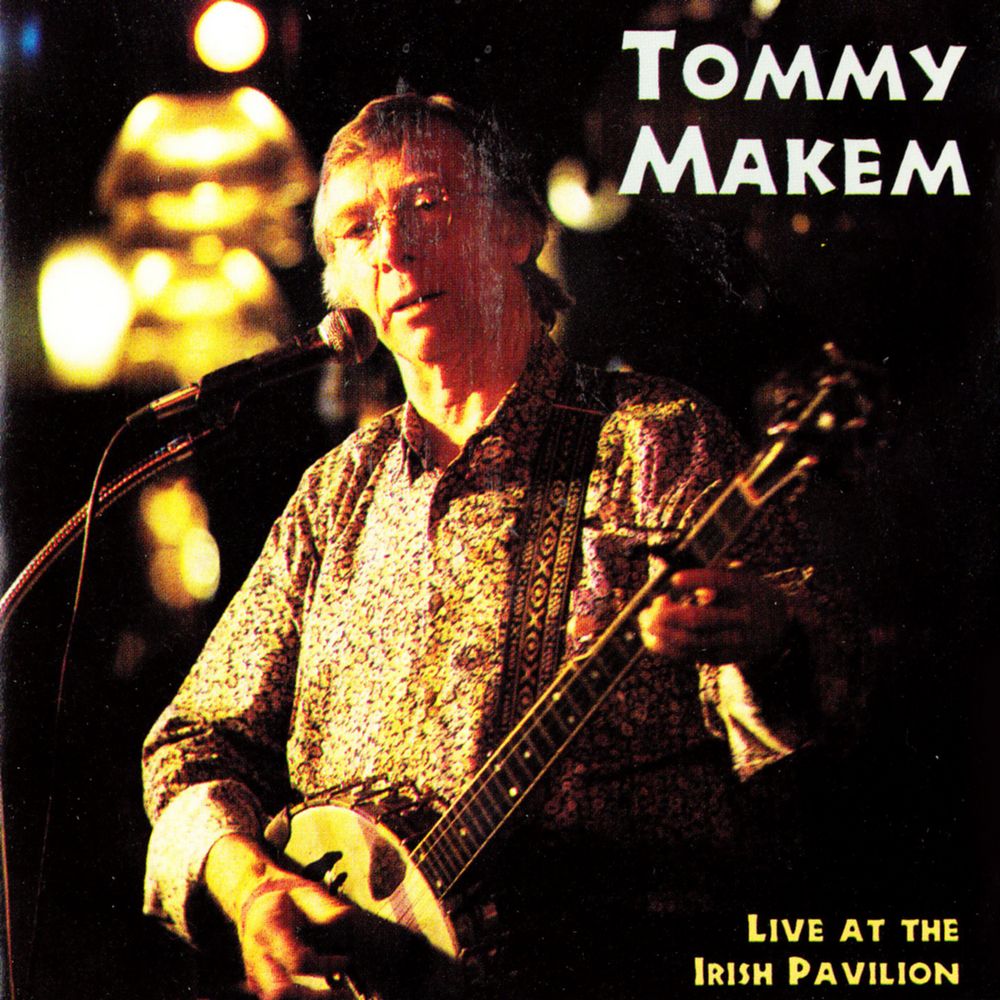
The duo split amicably in 1988, and Makem resumed his solo career, appearing internationally at concerts and festivals. He wrote a book, Tommy Makem's Secret Ireland, in 1997, and in 1999 premiered his own one-man theatre show, Invasions and Legacies, in New York. This focused on his long-standing interest in Irish mythology. Tommy Makem's Irish Pavilion in New York was a magnet for lovers of Irish music for several years. He also established the Tommy Makem International Festival of Song in South Armagh in 2000.

Makem received many awards and honours, including an honorary doctorate from the University of New Hampshire in 1998, and the World Folk Music Association's Lifetime Achievement Award in 1999. With the Clancy Brothers, he was listed among the top 100 Irish-Americans of the 20th century in 1999.

His sons, Shane, Conor and Rory, maintain the family singing tradition as the Makem Brothers. He also had two daughters. His wife, Mary, predeceased him in 2001.

• Tommy Makem, folk singer and song-writer, born November 4 1932; died August 1 2007

New York Times

Tommy Makem, 74, Hero of Irish Folk Music, Dies

By DOUGLAS MARTIN
Published: August 3, 2007

image

Tommy Makem, a songwriter, balladeer and folk singer who with the Clancy Brothers and as a soloist introduced a raucous, revolutionary take on time-honored Irish folk music, first in the United States and then in Ireland, died Wednesday in Dover, N.H. He was 74.

The cause was complications of lung cancer, his son Conor said.

Mr. Makem's music emerged in the 1960s as part of the rise of modern folk music, and its sound and success particularly buoyed Irish-Americans who remembered the sting of prejudice toward immigrant ancestors. Mr. Makem, a baritone who played the banjo and tin whistle, was hailed as the godfather of Irish music.

After a concert at Town Hall in Manhattan in 1962, Robert Shelton wrote in The New York Times that "most American 'mainstream' folk music groups seem wan and one-dimensional in comparison" with the Clancy and Makem act.

In 1961 the Clancy Brothers and Tommy Makem, the name under which they performed, signed a $100,000 recording contract, a big deal at the time. Mr. Makem and Joan Baez were named the most promising newcomers at the Newport Folk Festival that year.

On March 12, 1961, the group, all of whom were born in Ireland and emigrated to the United States, performed for 14 minutes in front of a television audience of 80 million on "The Ed Sullivan Show," the first of many television appearances.

The next year an Irish radio announcer visiting the United States took some of their albums back to Ireland and played them on his show. They skyrocketed to popularity. By 1964 a third of the albums sold in Ireland were by the Clancy Brothers and Tommy Makem.

In 1963 they performed at the White House at the request of President John F. Kennedy, who was of Irish descent. Mr. Makem had rewritten an old song, "We Want No Irish Here." It was taken from the time in America when there were signs saying, "No Irish Need Apply."

In an interview with The Belfast News Letter in 2003, Mr. Makem said, "superimposed over us on television was a great shot of President Kennedy laughing his head off."

Thomas Makem (who made a point of not revealing his middle name) was born on Nov. 4, 1932, in Keady, County Armagh, Northern Ireland. His mother, Sarah Makem, was a legendary folk singer whom the American song collector and folk singer Jean Richie, among other musical folklorists, visited to collect traditional songs.

Mr. Makem made his stage debut in his hometown at the age of 5, singing "The Little Beggarman." Like many in his family, he emigrated to New Hampshire to apply skills learned in Irish linen mills to that state's cotton mills. His factory career ended when a broken piece of machinery landed on his hand, requiring several operations.

His uncle took him to New York in 1956 for the St. Patrick's Day parade, at which he met two of the Clancy brothers, Paddy and Tom. He already knew Liam Clancy, who soon returned from Ireland and joined the group. After one of their first appearances, Pete Seeger, the folk singer, and Alan Lomax, the folklorist and musicologist, encouraged them. Bob Dylan, in the early days of his career, solicited songwriting tips from Mr. Makem.

All of the group's members aspired to act, and some, including Mr. Makem, achieved modest success, but by 1956 they were comitted to music. They recorded their first album that year in the Bronx in the kitchen of Kenny Goldstein, a prominent folklorist. After two more albums for Tradition Records, including one of drinking songs that became a cult favorite, they signed the $100,000 deal with John Hammond of Columbia Records, famous for discovering Benny Goodman, Billie Holiday and Aretha Franklin, among others.

Mr. Makem left the Clancy Brothers on amicable terms in 1969 to have a solo act. In 1975 he joined with Liam Clancy to form a duo that lasted until 1988. Mr. Makem then resumed work as a solo act.

In reviewing a music festival on Randalls Island in The Times in 1999, the critic Neil Strauss praised Mr. Makem's rendition of his own "Four Green Fields," calling it "the hallowed Irish leave-us-alone-with-our-beauty ballad."

"Audience members pumped their hands in the air and sang in spellbound unison," Mr. Strauss wrote.

Mr. Makem also wrote books and prepared and narrated television shows on Ireland's history. For many years he owned Tommy Makem's Irish Pavilion, a restaurant and bar in Manhattan. Despite this and the many drinking songs he lustily performed, he did not drink alcohol.

Mr. Makem's wife, the former Mary Shanahan, died in 2001. He is survived by his daughter, Catherine Makem-Boucher; his sons, Shane and Conor of Dover, and Rory of Amesbury, Mass., who are all three performers; and a granddaughter.

When Mr. Makem arrived at Logan International Airport in Boston in 1955, he carried a makeshift suitcase, a pair of bagpipes and an X-ray of his lungs to prove he did not have tuberculosis, he said in an interview with The Boston Globe last year. The customs agent told him, "Have a great life."

More than a half-century later, Mr. Makem declared, "I took him at his word."

Correction: August 9, 2007
An obituary on Friday about the Irish musician Tommy Makem misidentified the source of an account he gave of his arrival in Boston in 1955, including his description of being told by a customs agent, "Have a great life," and his declaration more than a half century later, "I took him at his word." It was an interview last year with The Boston Globe, not The Associated Press.